

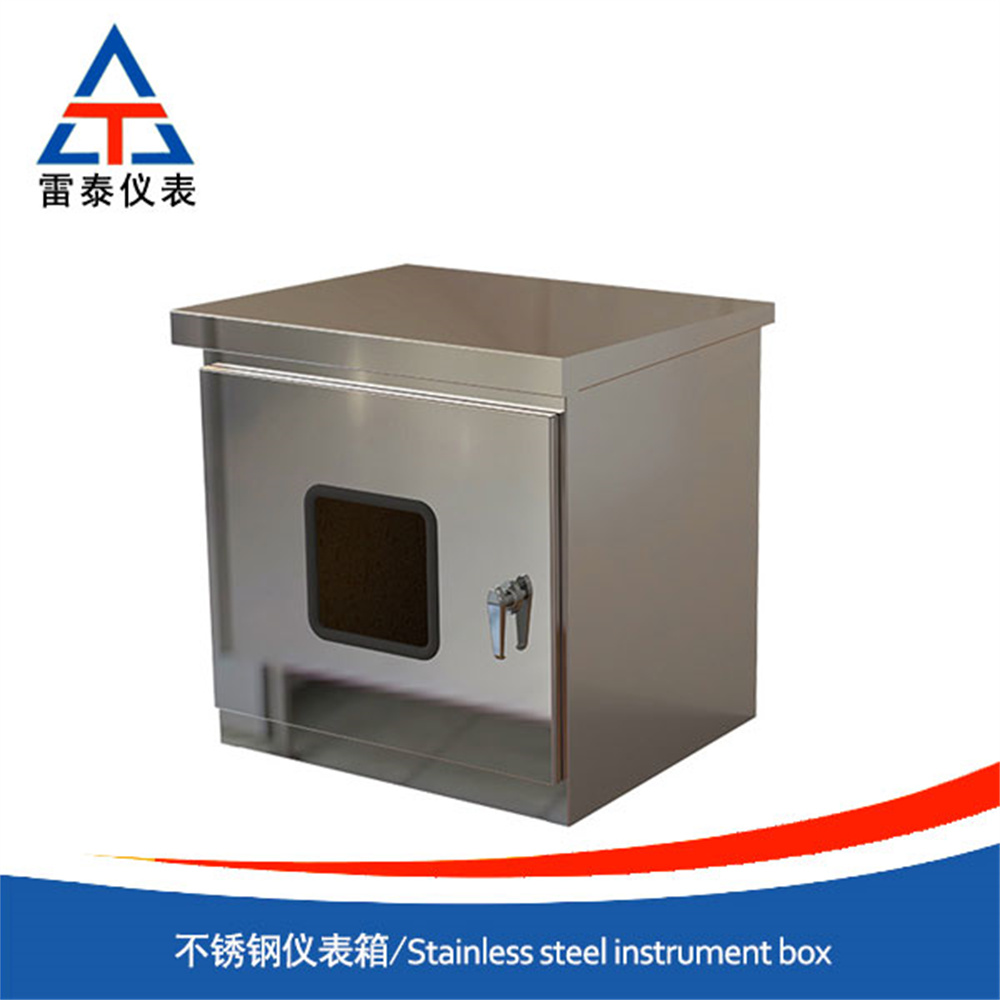
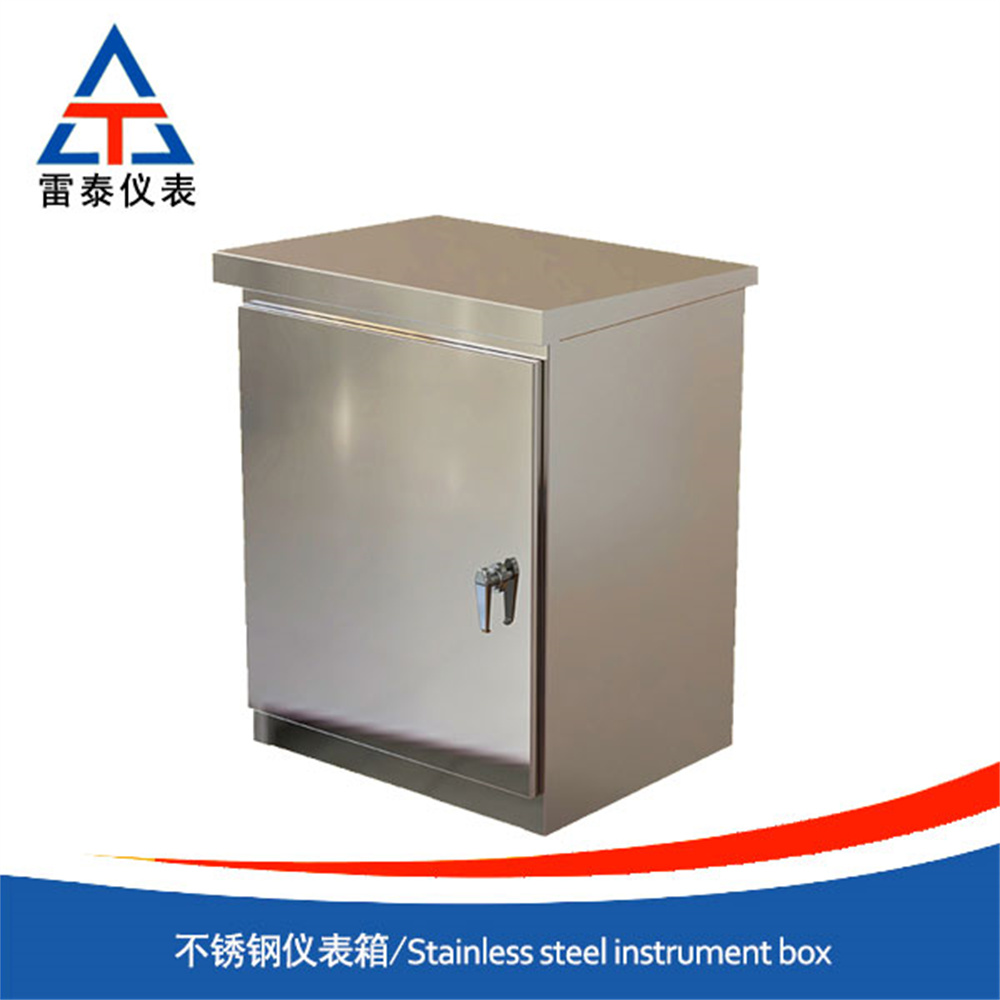
Instrument boxes play an important role in various application scenarios
1. Protection of instrument equipment: The instrument box provides physical protection for various measurement, control, or display instruments installed inside. These instruments may be sensitive to environmental factors such as temperature, humidity, dust, corrosive gases, mechanical shock, etc. The instrument box can isolate or reduce the impact of these adverse factors on the instruments, thereby extending their service life and ensuring the accuracy and reliability of measurement data.
2. Organizational layout: In complex industrial environments, instrument boxes help to centralize relevant instrument equipment and achieve an orderly organizational layout. This not only facilitates daily maintenance and repair, but also improves the cleanliness and safety of the workplace.
3. Dustproof and Waterproof: Many instrument boxes are designed with dust-proof and waterproof functions to ensure that instrument equipment can still work normally in harsh environmental conditions (such as outdoor and humid environments). This is crucial for ensuring the continuity and stability of the production process.
4. Safety isolation: In some cases, the instrument box also plays a role in safety isolation. For example, in high-pressure, high-temperature, or potentially hazardous environments, instrument boxes can prevent personnel from directly contacting hazardous sources and protect the safety of operators.
5. Easy to install and debug: The instrument box is usually designed as a modular or standardized structure, which facilitates the installation, debugging, and replacement of instrument equipment. This reduces installation costs and improves work efficiency.
6. Enhance environmental adaptability: By selecting instrument boxes with different materials and structures, they can adapt to different working environment requirements. For example, in extremely cold or hot environments, instrument boxes with insulation or heat dissipation functions can be selected to ensure the normal operation of instrument equipment.
7. Data integration and transmission: Modern instrument boxes often integrate functions of data acquisition, processing, and transmission, which can transmit real-time data measured by instruments to central control systems or remote monitoring platforms, achieving centralized management and remote monitoring of data.
In summary, instrument boxes play an important role in protecting instrument equipment, organizing layout, dust and water resistance, safe isolation, facilitating installation and commissioning, enhancing environmental adaptability, and data integration and transmission. They are an indispensable part of modern industrial automation and intelligence.
Our main products include electromagnetic flowmeter, turbine flowmeter, energy meter, mass flowmeter, vortex flowmeter, pressure transmitter, level meter, and magnetic flap level meter.
