

Pressure transmitters and liquid level transmitters both play important roles in the field of industrial automation control, but they have significant differences in multiple aspects.
1. Definition and working principle
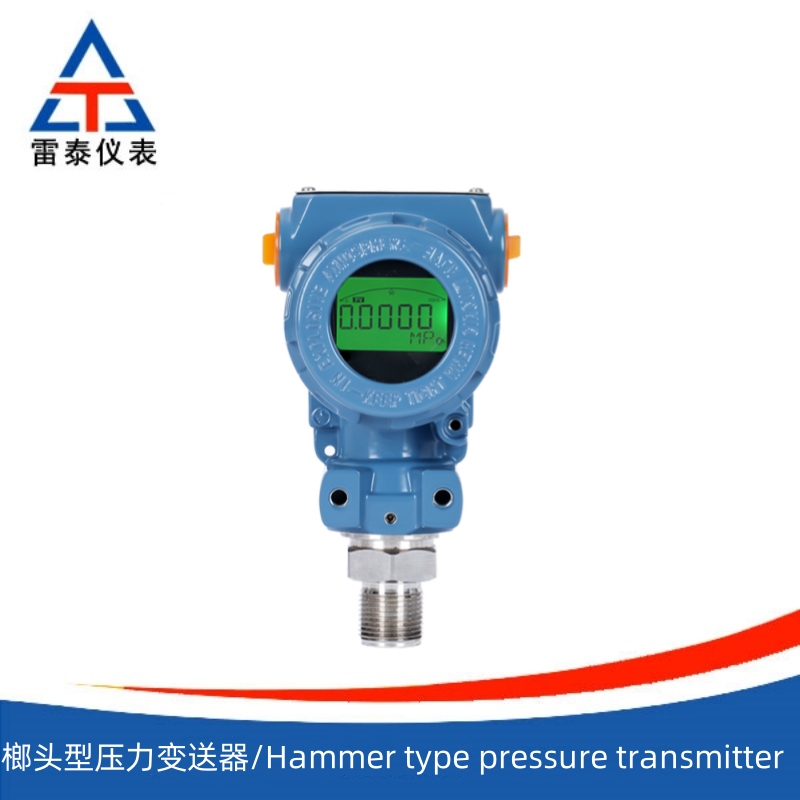
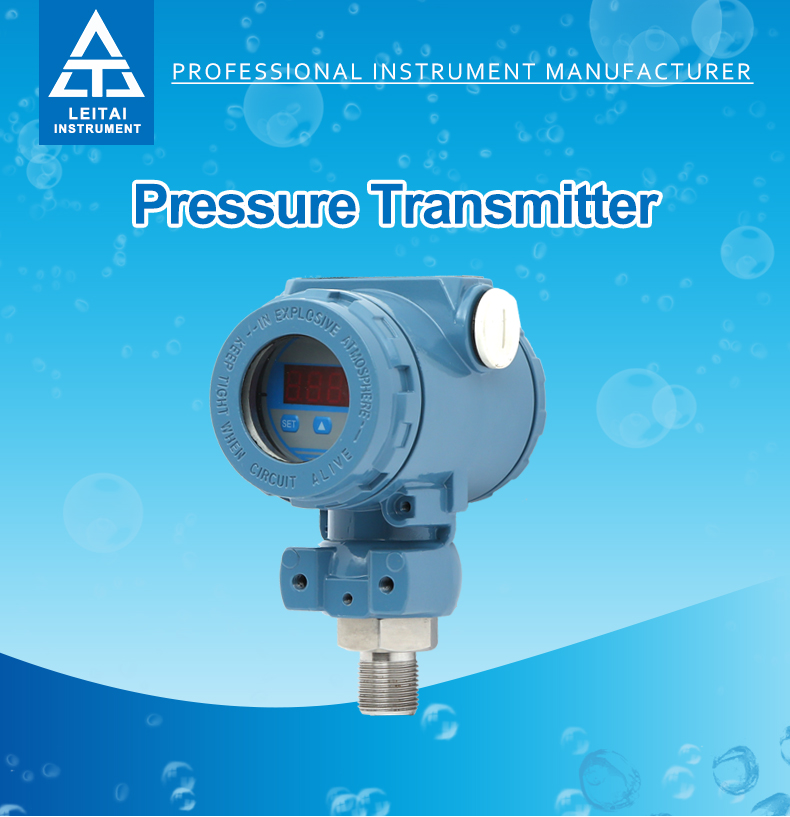
① Pressure transmitter
a. Definition: A pressure transmitter is a sensor used to measure the pressure value of a gas or liquid and convert it into a standard electrical signal for output.
b. Working principle: Sensing pressure variables through sensitive components and converting them into standardized signals that can be transmitted (such as 4-20mA, 1-5V, etc.), while amplifying them to supply secondary instruments such as indicator alarms, recorders, regulators for measurement, indication, and process adjustment.
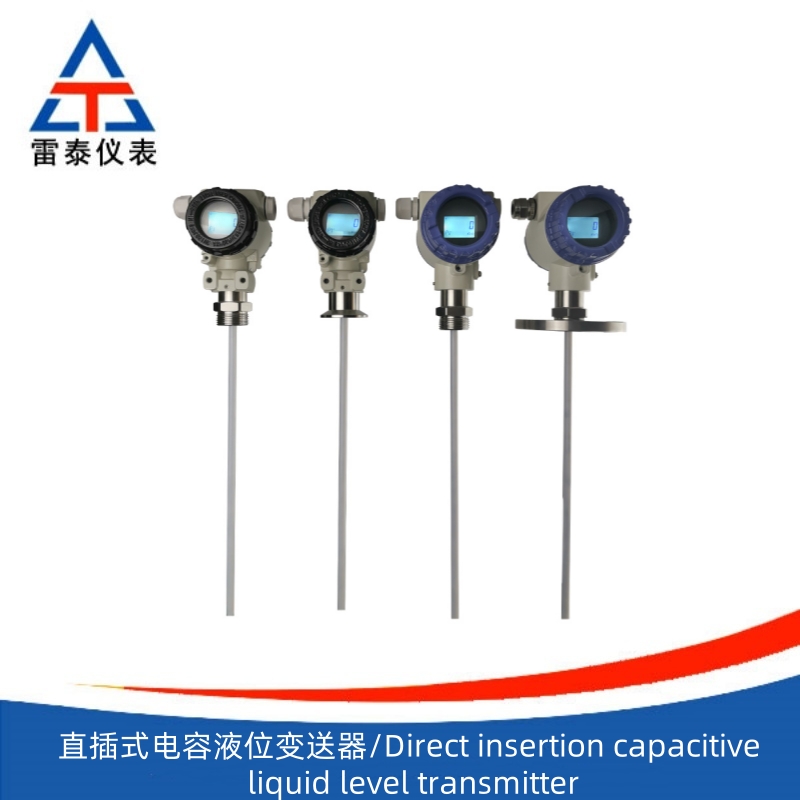
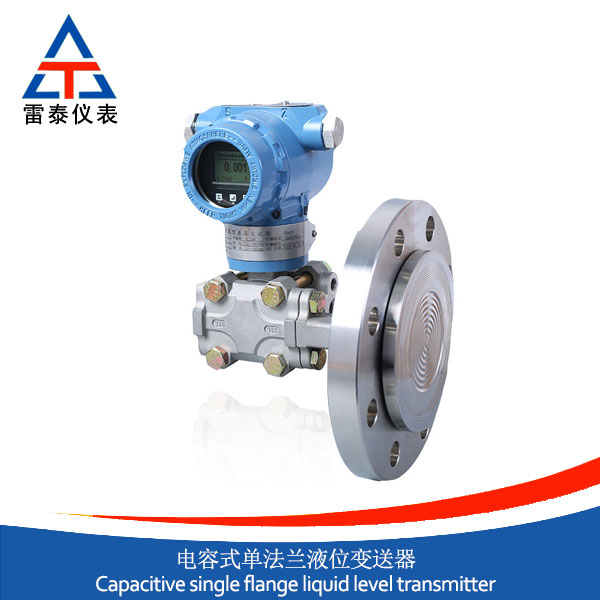
② Liquid level transmitter
a. Definition: A liquid level transmitter is specifically designed to measure liquid level height data and convert it into a standard electrical signal for transmission and output.
b. Working principle: Based on pressure sensing technology, when liquid acts on the sensor of the liquid level transmitter, the sensor is deformed by pressure, and the deformation is converted into an electrical signal output, which is then amplified and processed to output a standard electrical signal.
2. Measurement object and range
① Measurement object
Pressure transmitter: Measuring media include gases and liquids, capable of measuring various pressure values.
Liquid level transmitter: mainly measures the liquid level height of various liquids.
② Measurement range
a. Pressure transmitter: The measurement range is usually
0~40MPa (depending on specific models and specifications), and can be further divided into general pressure transmitters (0.001~20MPa) and micro differential pressure transmitters (0~1.5kPa).
b. Liquid level transmitter: The measurement range is usually 0-10 meters (varies depending on the specific model and specifications)
Same)
3. Application and Accuracy
① Application
Pressure transmitter: widely used in various applications that require measuring gas or liquid pressure, such as petroleum, chemical, power, metallurgy and other industries.
Liquid level transmitter: mainly used for liquid level measurement and control in industrial sites, urban water supply and sewage treatment, petroleum, chemical, power plants, hydrological monitoring reservoirs, dams, hydropower construction and other fields.
② Accuracy
Pressure transmitter: The accuracy of liquid measurement may not be accurate enough, especially for the detection of steam and water media.
Liquid level transmitter: capable of measuring liquids of different densities, from water and oil to various chemical solutions that are prone to change and crystallization, with excellent testing accuracy.
In summary, there are significant differences between pressure transmitters and liquid level transmitters in terms of definition, working principle, measurement object and range, application and accuracy. When choosing, comprehensive consideration should be given to specific application scenarios and requirements.
Our main products include electromagnetic flowmeter, turbine flowmeter,mass flowmeter, vortex street flowmeter, pressure transmitter, liquid level transmitter, and magnetic flap level meter.
