

When using a turbine flowmeter, attention should be paid to the following aspects to ensure its accurate and stable operation, and to extend its service life:
1. Preparation before installation
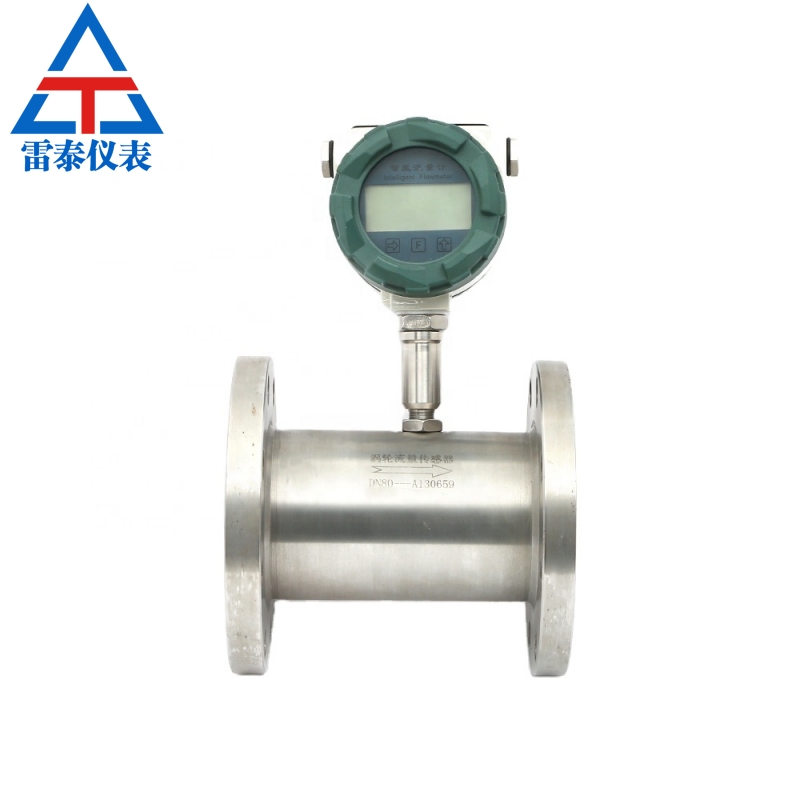
① Appropriate selection: Choose a suitable turbine flowmeter based on factors such as the physical state (gas or liquid), viscosity, density, working temperature, pressure, and corrosiveness of the measuring medium. At the same time, consider factors such as the accuracy level, measurement range, and price of the flowmeter.
② Cleaning medium: Ensure that the measured medium is clean and free of impurities such as fibers and particles, which may clog the flowmeter or damage its internal components.
③ Check the system: Before installation, ensure that the system has been purged, pressure tested, and all chips and residues have been removed.
2. Installation process
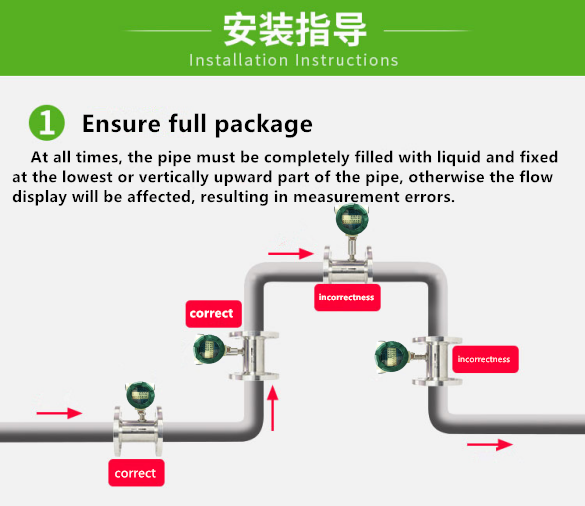
① Installation location: Choose a suitable installation location and method to avoid installing the flowmeter in environments with high vibration, drastic temperature changes, or strong electromagnetic interference. For explosion-proof products, it is necessary to review whether their usage environment complies with the user's explosion-proof requirements and strictly follow the national requirements for the use of explosion-proof products.
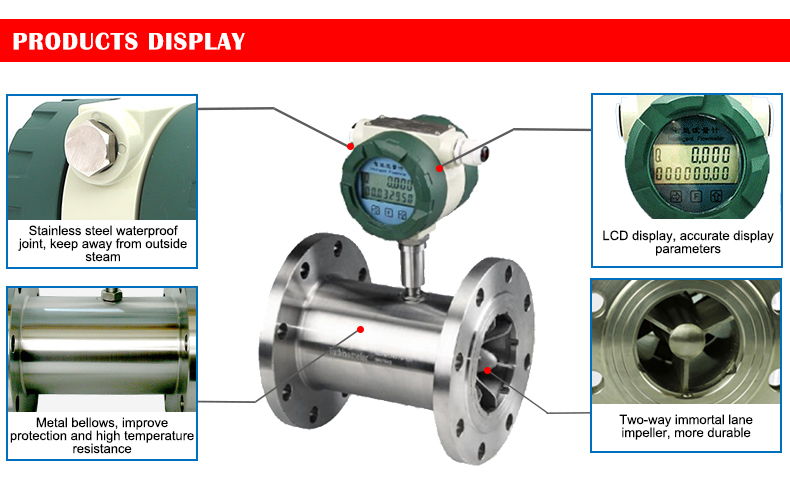
② Correct flow direction: Ensure that the fluid flow direction is consistent with the arrow direction on the instrument housing, and do not install it upside down.
③ Slowly open the valve: During operation, the front valve should be slowly opened first, followed by the rear valve, to prevent damage to the turbine caused by instantaneous airflow or liquid impact.
3. Operation and maintenance
① Regular inspection:
a. Regularly check whether there is any air or liquid leakage at the connection points of the turbine flowmeter.
b. Pay attention to whether there is any abnormal noise from the turbine. If there is, carefully analyze the cause and eliminate it.
c. Regularly check the wear of the turbine flowmeter, especially the wear of the impeller and bearings, and perform maintenance and replacement as needed.
② Cleaning and maintenance:
a. Regularly clean the filter used to prevent impurities from entering the flowmeter.
b. When the sensor is not in use, the internal liquid should be cleaned and protective covers should be added at both ends of the sensor to prevent dust and dirt from entering, and then stored in a dry place.
c. The transmission cable of the sensor can be laid overhead or buried underground (iron pipes should be covered when buried).
③ Electronic components and power supply:
a. Check if the connection of electronic components is good, and repair or replace them promptly if there is a malfunction.
b. Ensure that the power supply is stable and meets the requirements, avoiding voltage instability or power interruption that may cause the flowmeter to malfunction.
4. Other precautions
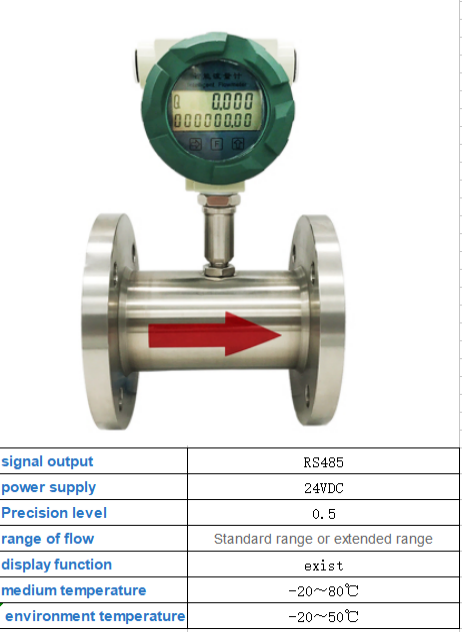
① Prevent overspeed operation: During pressure testing, pipeline purging, or exhaust, special attention should be paid to avoiding turbine overspeed operation to prevent damage to the flow meter.
② Follow the operating procedures: In actual use, it is necessary to carefully read the product manual or consult the manufacturer's technical support team to operate according to the operating procedures.
③ Operator training: Ensure that operators have relevant professional knowledge and experience to avoid damage to the flowmeter or affecting measurement accuracy due to misoperation.
In summary, when using a turbine flowmeter, it is necessary to pay attention to multiple aspects such as appropriate selection, correct installation, regular inspection and maintenance, and compliance with operating procedures to ensure its accurate and stable operation and extend its service life.
Our main products include electromagnetic flowmeters, turbine flowmeters, energy meters, mass flowmeters, vortex flowmeters, pressure transmitters, level meters, and magnetic flap level meters.
