

Although the split type electromagnetic flowmeter has the advantages of high precision, wide applicability, unobstructed flow components, and flexible installation, it still has some disadvantages in practical applications.
1. Measurement accuracy is affected by various factors
The measurement accuracy of electromagnetic flow meters may be affected by various factors such as fluid characteristics (such as conductivity, temperature, pressure, density, viscosity, etc.), pipeline size, installation environment, and electromagnetic interference. In some complex applications, additional measures may need to be taken to ensure measurement accuracy, such as installing specialized liners and grounding wires.
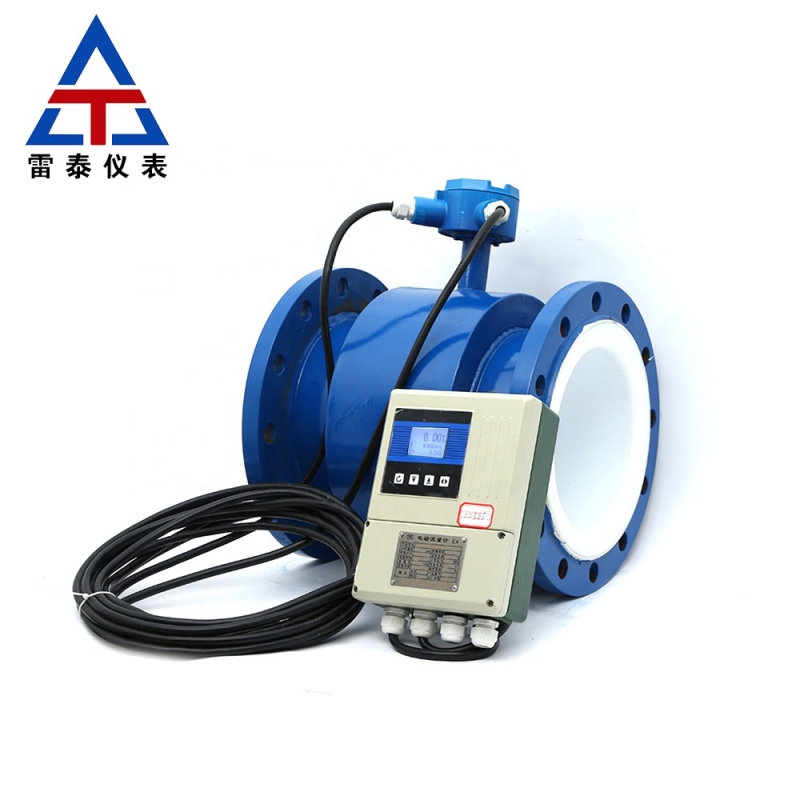
2. Susceptible to signal interference
The measurement signal of electromagnetic flowmeter is susceptible to interference from other electronic and power equipment, especially in densely populated environments, which may lead to measurement data errors.
3. There are requirements for fluid conductivity
The electromagnetic flowmeter can only be used for measuring conductive liquids, and the conductivity of the fluid must be within a certain range, otherwise it may affect the accuracy of the measurement results. For liquids with low conductivity, the difficulty of measurement may increase.
4. High installation and maintenance requirements
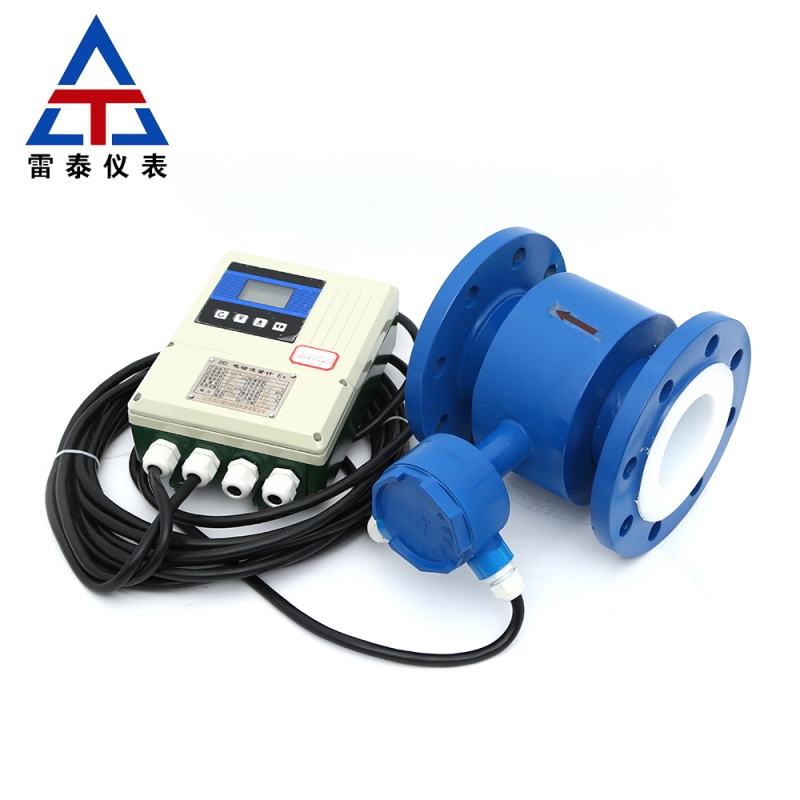
The installation of electromagnetic flowmeter needs to be strictly carried out in accordance with the manufacturer's requirements, including the size and shape of the pipeline, lining material, electrode position, etc., to ensure the accuracy of the measurement results. In addition, electromagnetic flow meters require regular maintenance and calibration to ensure their long-term stable operation. In some applications, frequent cleaning of electrodes and pipelines may be necessary to prevent issues such as blockage and corrosion.

5. Relatively high cost
Compared to other types of flow meters, electromagnetic flow meters (especially high-precision, high configuration split type electromagnetic flow meters) may have higher manufacturing costs and procurement prices. This may be a consideration for some applications with limited budgets.
6. Limited scope of application
Despite the wide applicability of electromagnetic flow meters, there are still some specific scenarios or media (such as non-conductive liquids) that cannot be measured using electromagnetic flow meters. This limits its application scope in certain fields.
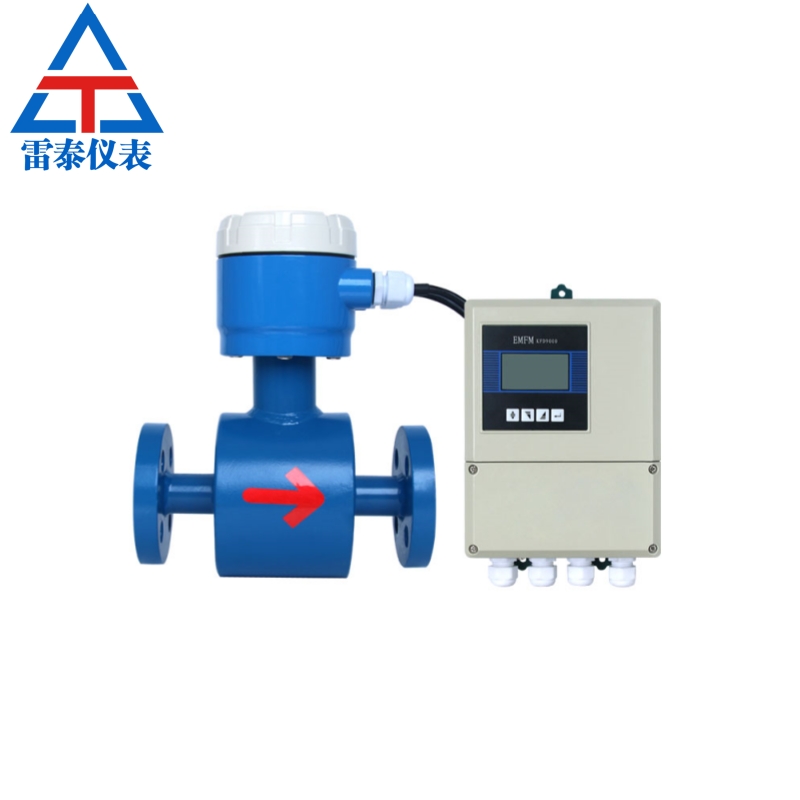
In summary, while the split type electromagnetic flowmeter provides advantages such as high precision and wide applicability, it also has disadvantages such as measurement accuracy being affected by various factors, susceptibility to signal interference, requirements for fluid conductivity, high installation and maintenance requirements, and relatively high costs. When selecting and using, it is necessary to consider comprehensively based on specific application scenarios and requirements.
Our main products include electromagnetic flowmeters, turbine flowmeters, energy meters, mass flowmeters, vortex flowmeters, pressure transmitters, level meters, and magnetic flap level meters
