

Magnetic level indicators usually require regular calibration during use. The following are specific reasons and related situation explanations:
1. Reasons for the need for regular calibration
① Ensure measurement accuracy: As the usage time increases, the magnetic level indicator may be affected by various factors, such as corrosion and wear of the float by the medium, weakening of the magnetic properties of the magnetic material, etc., which may lead to measurement deviations. Regular calibration can promptly detect and correct these deviations, ensuring the accuracy of liquid level measurement and providing reliable data support for the production process.
② Adapting to changes in working conditions: In actual production, the characteristics, temperature, pressure, and other working conditions of the tested medium may change. For example, the density of the medium may change due to changes in composition, which can affect the buoyancy of the float and thus affect the liquid level measurement results. Through regular calibration, the liquid level gauge can be adjusted according to actual working conditions to accurately measure the liquid level under different working conditions.
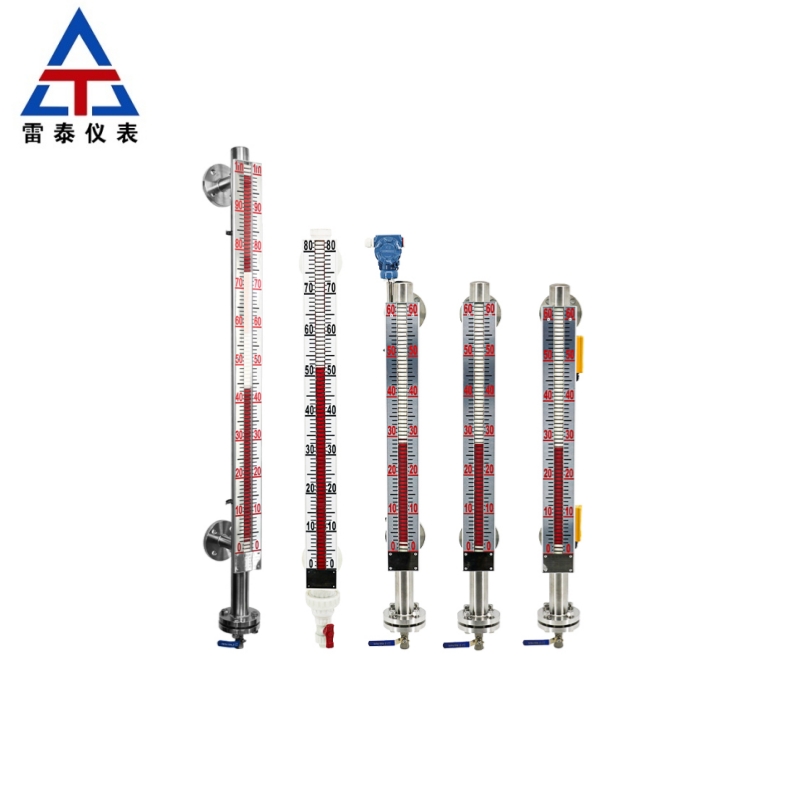
③ Compliance with industry standards and regulations: In many industries, such as petroleum, chemical, pharmaceutical, etc., there are strict requirements and standards for the accuracy of liquid level measurement. Regular calibration of magnetic level indicators is a necessary measure to meet these industry standards and specifications, which helps enterprises pass relevant safety inspections and quality certifications.
2. Factors affecting the calibration cycle
① Usage environment: If the magnetic level indicator is installed in harsh environments such as high temperature, high humidity, strong corrosion, and strong vibration, its performance may be more easily affected and the calibration cycle may need to be shortened. On the contrary, when used in milder environments, the calibration cycle can be appropriately extended.
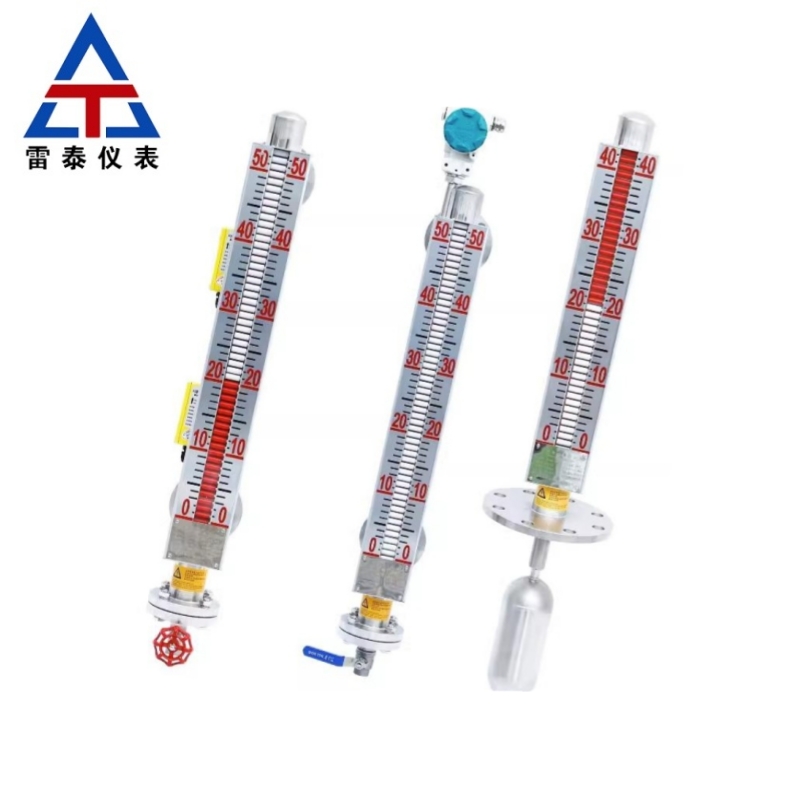
② Frequency of use: Magnetic level indicators that are frequently used require more frequent calibration due to the relatively high wear and fatigue of components such as the float. For liquid level gauges with lower frequency of use, the calibration cycle can be relatively longer.
③ Medium characteristics: When measuring media with strong corrosiveness, high viscosity, or impurities, the internal components of the float and level gauge are prone to damage or contamination, which may require a shorter calibration cycle. For clean and stable media, the calibration cycle can be appropriately relaxed.
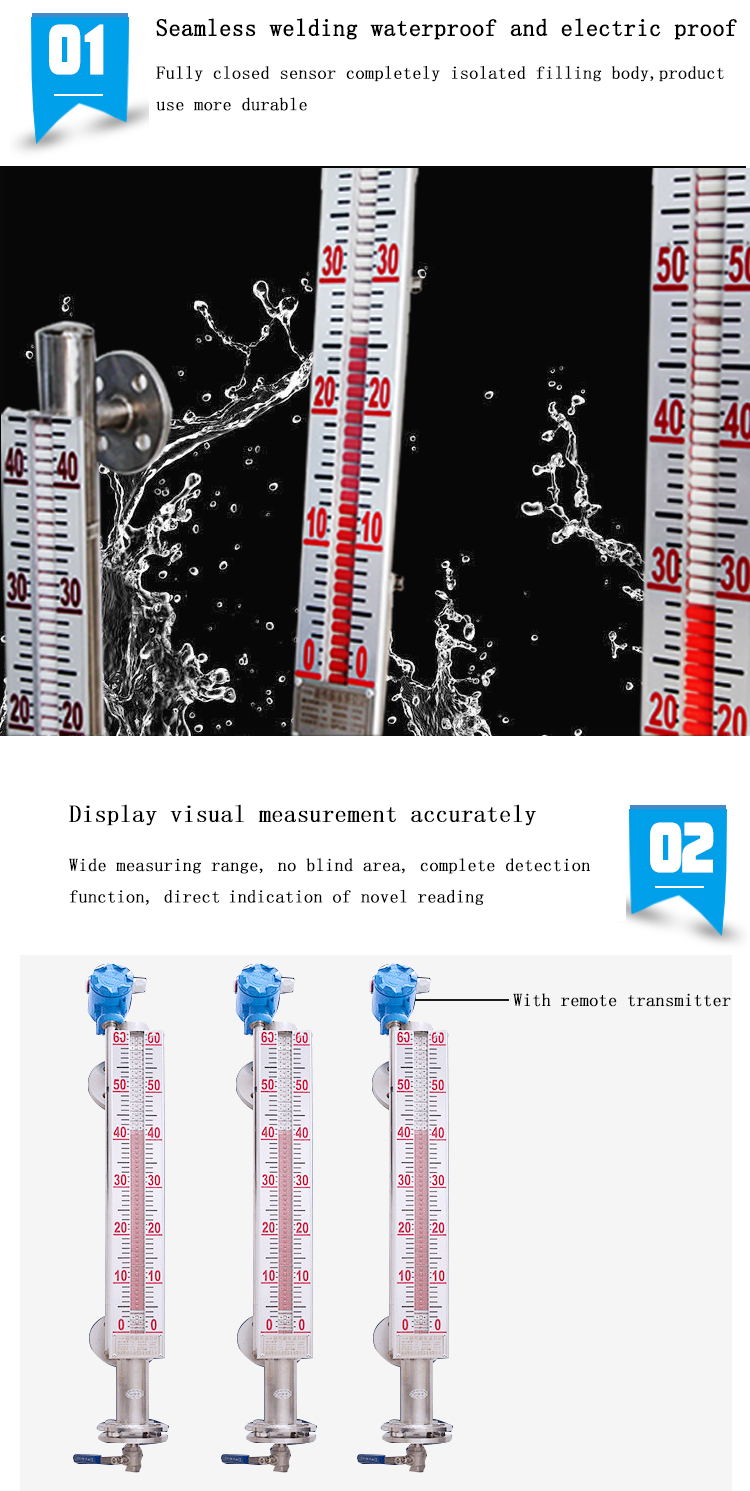
Generally speaking, the calibration cycle of a magnetic level indicator can be around six months to one year depending on the actual situation. However, it is necessary to combine the above factors and determine a reasonable calibration time interval through analysis and evaluation of the measurement data.
We specialize in producing electromagnetic flowmeter, vortex street flowmeter, spiral vortex flowmeter, turbine flowmeter, liquid gas mass flow meter, metal tube rotameter, orifice flowlmeter, ultrasonic flowmeter, verabar flowmeter, target type flowmeter, magnetic level indicator, differential pressure transmitter, etc.
