

The installation and maintenance of a vortex precession flowmeter are crucial for ensuring its measurement accuracy and long-term stable operation. The following are specific methods:
1. Installation method
① Installation location selection
a. Requirement for straight pipe section: The flowmeter should be installed on a horizontal or vertical pipeline to ensure that the fluid fills the pipeline. It is generally required that there be at least 10 times the diameter of the straight pipe section upstream of the flowmeter and at least 5 times the diameter of the straight pipe section downstream to ensure stable fluid flow and reduce the impact on measurement accuracy.
b. Avoid interference sources: Keep away from equipment that may cause fluid disturbances such as pumps, compressors, and regulating valves, and the distance should generally be greater than 20 times the pipe diameter. At the same time, it is necessary to avoid installing in locations with high vibration, such as pipelines near large motors, vibrating screens, and other equipment.
c. Easy maintenance operation: Choose a location that is easy to install, disassemble, and maintain, with sufficient space around for operators to carry out instrument maintenance and debugging. Generally, the distance between the surrounding space and the instrument should not be less than 0.5 meters.
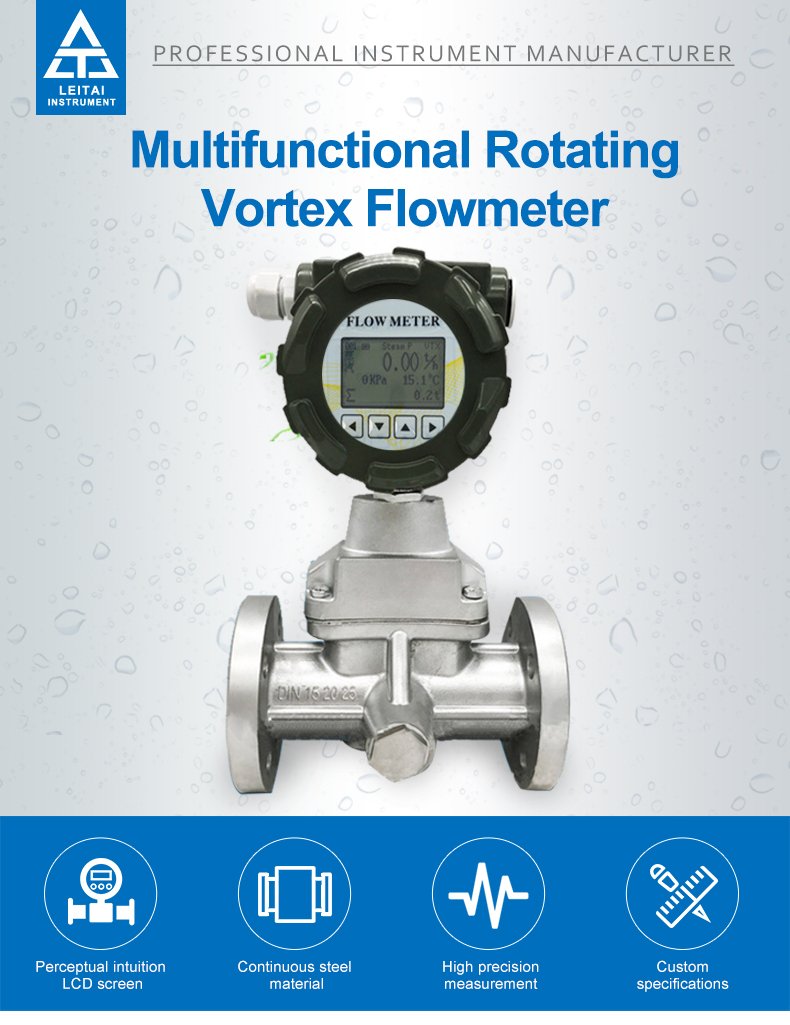
② Pipeline connection requirements
a. Concentric installation: When connecting the flowmeter to the pipeline, it should be ensured that the axes of both are concentric, and the deviation should not exceed 1% of the inner diameter of the pipeline to prevent fluid flow deviation and affect measurement accuracy.
b. Good sealing: Use appropriate sealing gaskets to ensure that there is no leakage at the connection point. The gasket should not protrude into the interior of the pipeline to avoid interfering with fluid flow.
c. Avoid stress transmission: The installation stress of the pipeline should not be transmitted to the flowmeter. Fixed brackets or hangers should be installed on the pipeline before and after the flowmeter to support the weight of the pipeline and prevent deformation of the pipeline from damaging the flowmeter.
③ Electrical connection requirements
a. Correct wiring: Follow the user manual of the flowmeter for electrical wiring, ensuring that the power and signal lines are connected correctly. The wiring should be firm to avoid looseness that may cause unstable signal transmission or instrument failure.
b. Good grounding: In order to prevent electromagnetic interference and ensure safety, the casing of the flowmeter should be reliably grounded, and the grounding resistance should not exceed 10 Ω.
c. Protective measures: Electrical junction boxes should be equipped with waterproof and dustproof measures to prevent rainwater, dust, etc. from entering the junction box and affecting electrical performance.
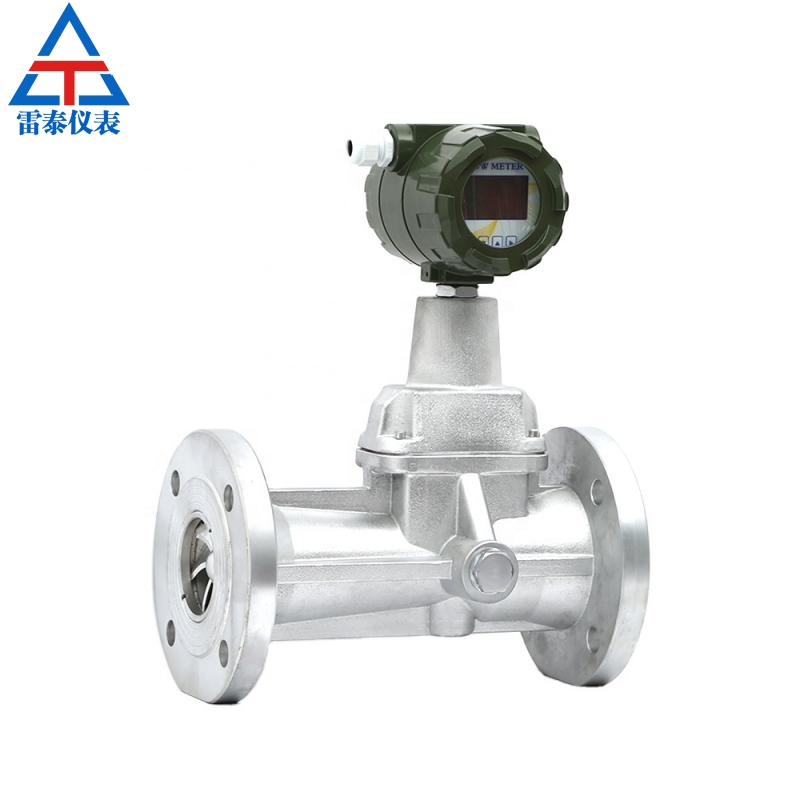
2. Maintenance methods
① Daily maintenance
a. Appearance inspection: Regularly inspect the appearance of the flowmeter to see if there is any damage, corrosion, leakage, or other issues. If cracks or coating peeling are found on the shell, they should be dealt with in a timely manner.
b. Operation status monitoring: Observe whether the display data of the flowmeter is normal, including instantaneous flow rate, cumulative flow rate, etc. Pay attention to whether there are any abnormal fluctuations or sudden changes. If abnormal data is found, the cause should be promptly investigated.
c. Cleaning and maintenance: Regularly clean the dust, oil stains, and other pollutants on the casing and sensor surface of the flowmeter to keep the instrument clean. For flow meters installed outdoors, special attention should be paid to preventing debris from blocking the inlet of the flow meter.
② Regular maintenance
c. Zero point inspection and calibration: Conduct zero point inspection on the flowmeter at regular intervals (usually 3-6 months). When there is no fluid flow, observe whether the display of the flowmeter is zero. If there is any deviation, zero calibration should be performed.
b. Accuracy calibration: Based on usage and measurement requirements, the flowmeter is regularly calibrated for accuracy, generally at least once a year. Standard flow sources can be used for calibration. If the accuracy exceeds the allowable range, it should be adjusted in a timely manner or sent to a professional organization for repair.
c. Component inspection and replacement: Check the internal components of the flowmeter, such as the vortex generator and detection elements, for wear, damage, and other issues. For vulnerable components such as batteries (if powered by batteries), seals, etc., they should be replaced in a timely manner according to their service life.
③ Special case handling
a. Fluid impurity treatment: If the fluid contains impurities, particles, etc., it may clog the flowmeter or damage internal components. Suitable filters should be installed upstream of the flow meter and regularly cleaned.
b. Freezing treatment: In cold regions, when the temperature of the medium may be below freezing point, insulation or heat tracing measures should be taken to prevent internal freezing of the flowmeter. If freezing has occurred, a slow heating method should be used to thaw, and it is strictly prohibited to use open flames to bake or forcefully strike.
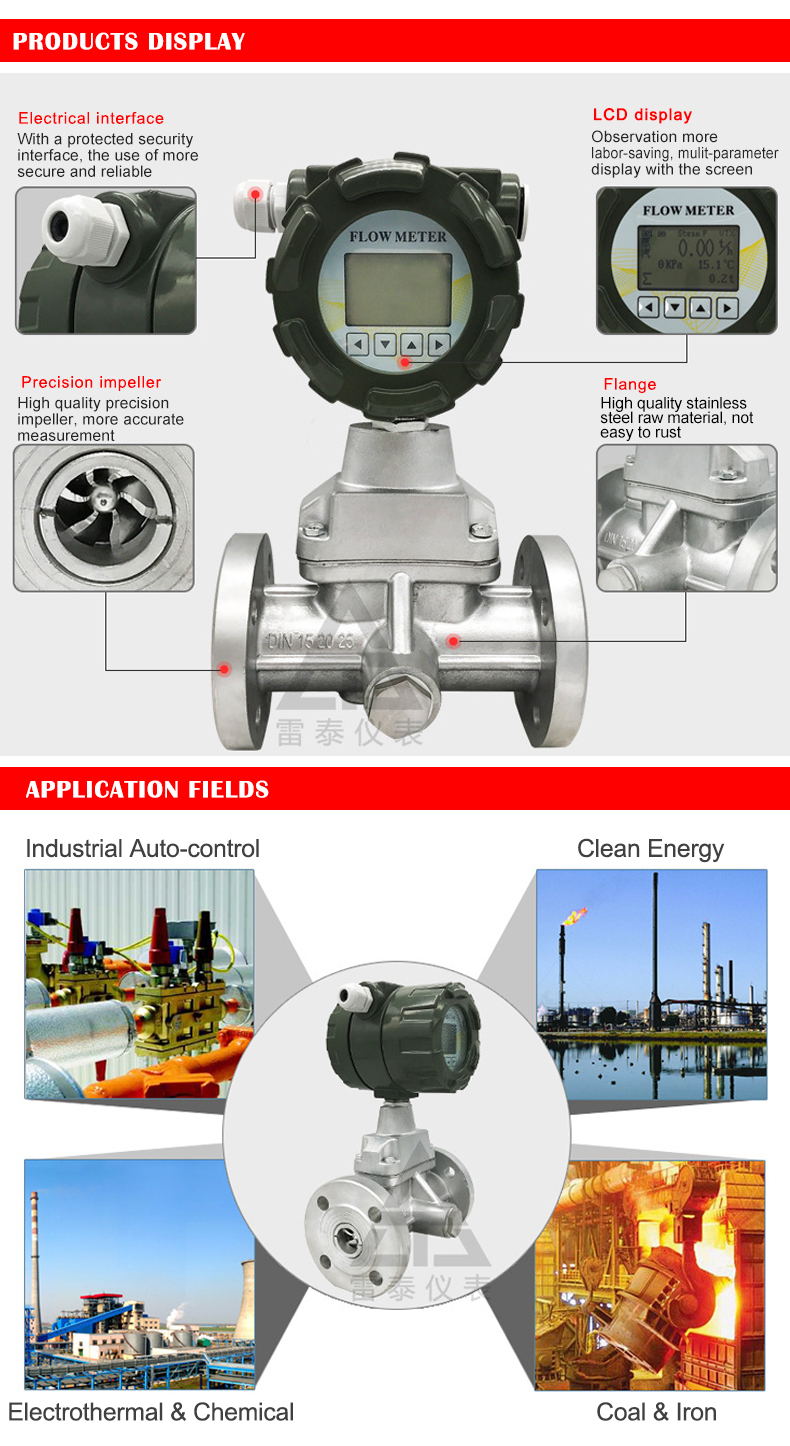
We specialize in producing electromagnetic flowmeter, vortex street flowmeter, turbine flowmeter, thermal gas mass flowmeter, metal tube rotameter, orifice flowlmeter, ultrasonic flowmeter, verabar flowmeter, target type flowmeter, magnetic level indicator, differential pressure transmitter, etc.
