

1. Characteristics of the medium
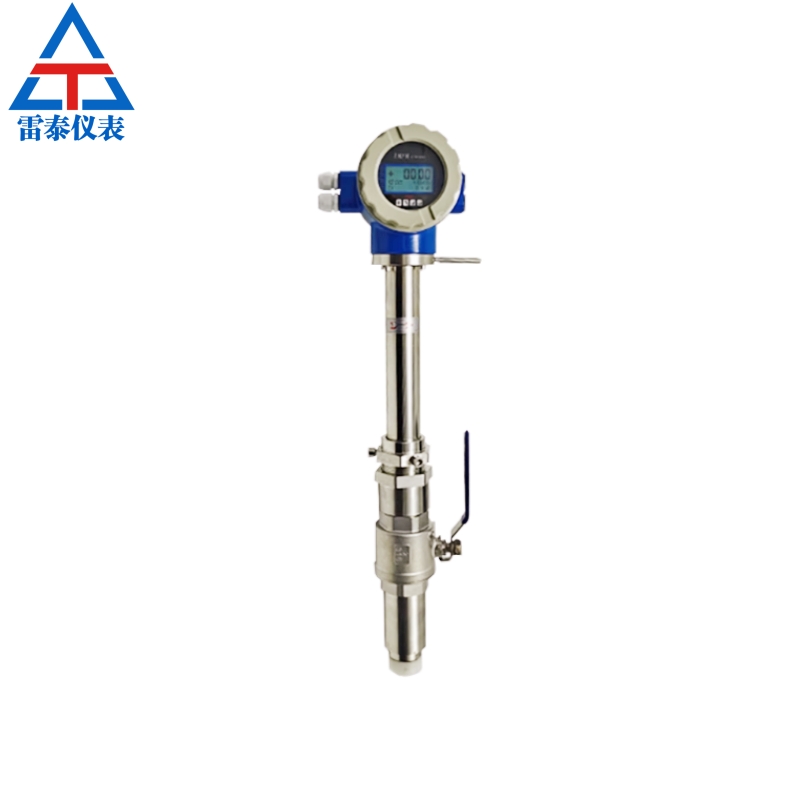
① Conductivity: Plug in electromagnetic flow meters generally require the conductivity of the measured medium to be greater than 5 μ s/cm.
② Corrosivity: Select appropriate electrode and lining materials based on the corrosiveness of the medium. For measuring neutral solutions such as industrial and domestic water, 316L stainless steel electrodes can be used; Measuring highly corrosive acid, alkali, and salt solutions may require electrode materials such as Hastelloy and tantalum. In terms of lining materials, chloroprene rubber is suitable for corrosive environments with low concentrations of acid, alkali, and salt, while polytetrafluoroethylene can resist corrosion from almost all chemical media.
③ Temperature and pressure: Ensure that the rated temperature and pressure range of the flowmeter can meet the working temperature and pressure requirements of the medium. For example, the working temperature of a flowmeter with ordinary rubber lining is generally between -20 ℃ and+60 ℃. If the medium temperature is high, high-temperature rubber lining or polytetrafluoroethylene lining can be selected.
2. Traffic parameters
① Flow range: Determine the maximum flow, minimum flow, and commonly used flow in actual use. Select the appropriate flow meter based on these flow values, so that the measurement range can cover the actual flow changes. Generally, a flow rate of 2-4m/s is more suitable.
② Pipeline diameter: If the pipeline size has been determined, select an inserted electromagnetic flowmeter that matches the pipeline diameter; If the pipeline size has not been determined yet, the appropriate pipeline diameter can be calculated based on the flow range, and then the corresponding flowmeter can be selected.
3. Installation conditions
① Environmental factors: It should be installed in a place far away from strong electromagnetic field equipment, without strong vibration, with securely fixed pipelines, and moderate environmental temperature changes.
② Requirements for straight pipe section: Generally, the length of the upstream straight pipe section of the sensor should be ≥ 20D, and the length of the downstream straight pipe section should be ≥ 7D to ensure stable fluid flow and improve measurement accuracy.
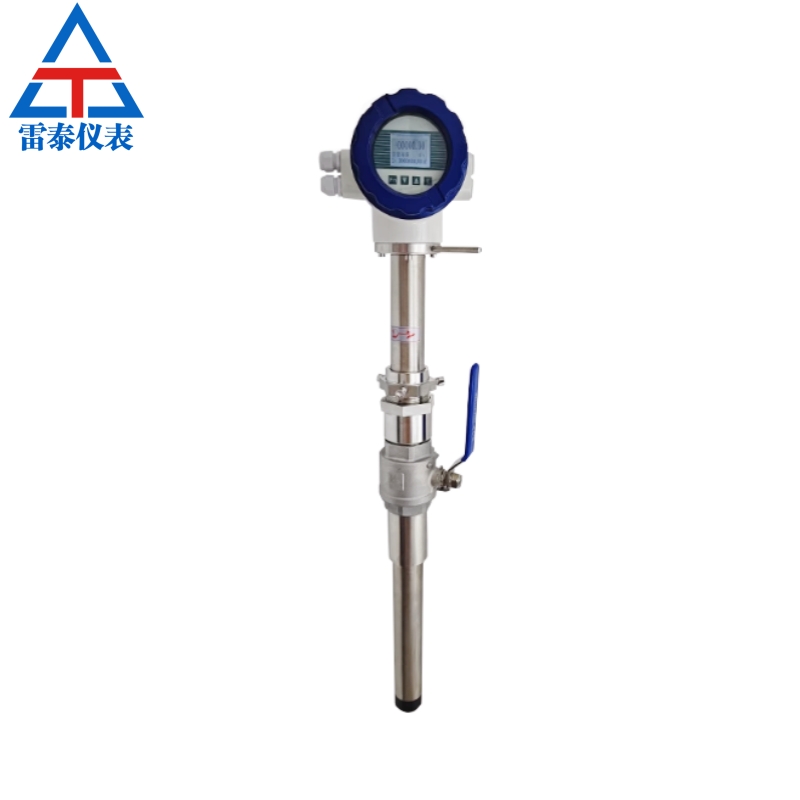
③ Installation method: Based on the actual situation on site, choose a plug-in electromagnetic flowmeter with or without a globe valve. The globe valve can be installed and disassembled without interruption, making it easy to maintain and repair.
4. Functional requirements
① Output signal: Select the appropriate output signal type based on the connection requirements with the control system or data acquisition system, such as 4-20mA current signal, pulse signal, digital communication signal, etc.
② Display function: If you need to directly observe flow data on site, you can choose a flow meter with on-site display function; If the main purpose is to transmit data to the control room for monitoring and control, economical products without on-site display can be selected.
③ Protection level: Select the protection level according to the requirements of the installation environment. If installed in places that are frequently flooded below ground level, a submersible type (IP68) should be selected; Generally, water spray resistant (IP65) is selected for installation on the ground.
5. Other factors
① Accuracy requirements: Select the accuracy level according to specific measurement needs, generally including 0.5 level, 1.0 level, 1.5 level, etc.
② Budget: The prices of plug-in electromagnetic flowmeters of different brands, specifications, and functions may vary. On the premise of meeting measurement needs, choose products with high cost-effectiveness based on the budget.
③ Brand and after-sales service: Choosing products from well-known brands usually results in more reliable quality and better after-sales service and technical support.
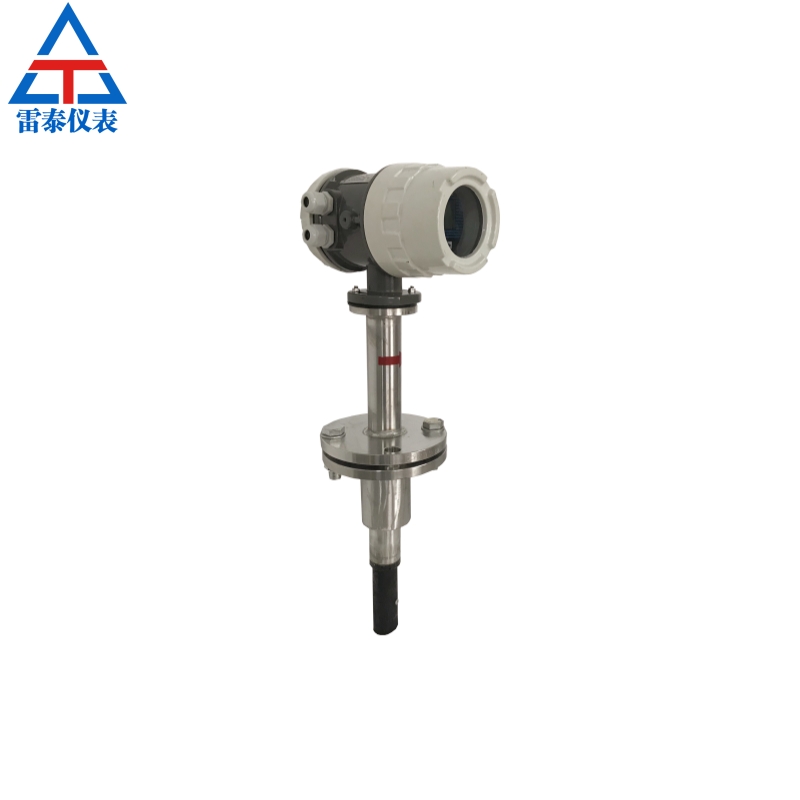
We specialize in producing electromagnetic flowmeter, vortex street flowmeter, turbine flowmeter, thermal gas mass flowmeter, metal tube rotameter, orifice flowlmeter, ultrasonic flowmeter, verabar flowmeter, target type flowmeter, magnetic level indicator, differential pressure transmitter, etc.
