

1. Work pressure
To consider the maximum working pressure that the transmitter can withstand, it must be greater than the actual working pressure of the measured medium to ensure the safe operation of the transmitter. For some high-pressure systems, such as pressure measurement of high-pressure pipelines or pressure vessels in petrochemicals, it is necessary to choose differential pressure transmitters with corresponding high pressure bearing capacity to prevent transmitter damage caused by excessive pressure.
2. Working temperature
The temperature range of the measured medium will affect the selection of the transmitter. If the medium temperature is too high or too low, it may be necessary to choose a transmitter with special temperature compensation or temperature resistance performance. For example, in high-temperature steam measurement in the steel industry, it is necessary to choose a differential pressure transmitter that can withstand high temperatures and has good temperature stability to ensure measurement accuracy.
The ambient temperature is also an important factor. If the ambient temperature is too high or too low, it may affect the performance of the electronic components of the transmitter, leading to increased measurement errors or equipment failures.
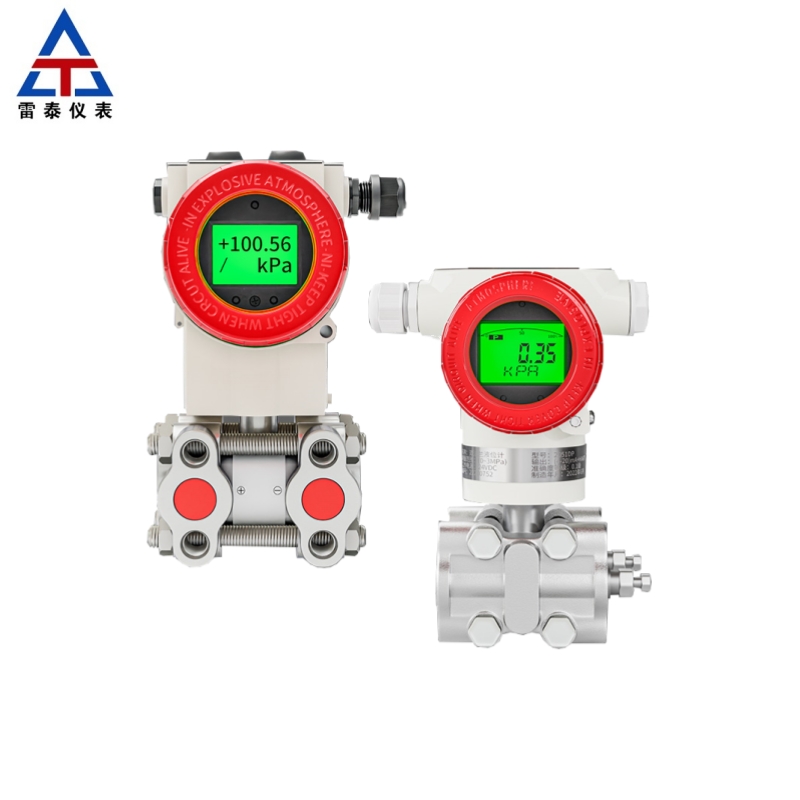
3. Installation method
Suitable installation methods should be selected based on the actual situation on site, commonly including flange installation, threaded installation, etc. If the installation space is limited, it may be necessary to choose a transmitter with a smaller volume and flexible installation method.
For some special installation positions, such as different positions of vertical or horizontal pipelines, the installation angle of the transmitter also needs to be considered to ensure that the installation method does not introduce additional measurement errors.
4. Response time
For some measurement scenarios that require rapid response, such as dynamic flow measurement or systems with rapid pressure changes, it is necessary to choose differential pressure transmitters with short response times in order to capture pressure change signals in a timely and accurate manner.
For example, in some dynamic pressure measurement systems in the aerospace field, differential pressure transmitters are required to have response times in the millisecond or even microsecond range to meet high-precision measurement requirements.
5. Reliability and stability
Choose brands and models with good reputation and quality assurance to ensure that the transmitter can work stably and reliably during long-term operation. You can refer to other users' usage experience, product quality certification, and other information.
For some critical production processes or important measurement links, it is also possible to consider selecting differential pressure transmitters with redundant design or fault self diagnosis functions, so that in the event of a fault, timely detection and measures can be taken to ensure the continuity and safety of production.
6. Cost factors
Including procurement costs, installation costs, and maintenance costs. On the premise of meeting the measurement requirements, the price differences of different brands and models should be comprehensively considered, and products with high cost-effectiveness should be selected.
Although some high-end differential pressure transmitters have high accuracy and performance, their prices are relatively expensive and need to be balanced based on actual needs and budgets. At the same time, it is also necessary to consider the maintenance costs in the later stage, such as whether they are easy to repair and the price of accessories.
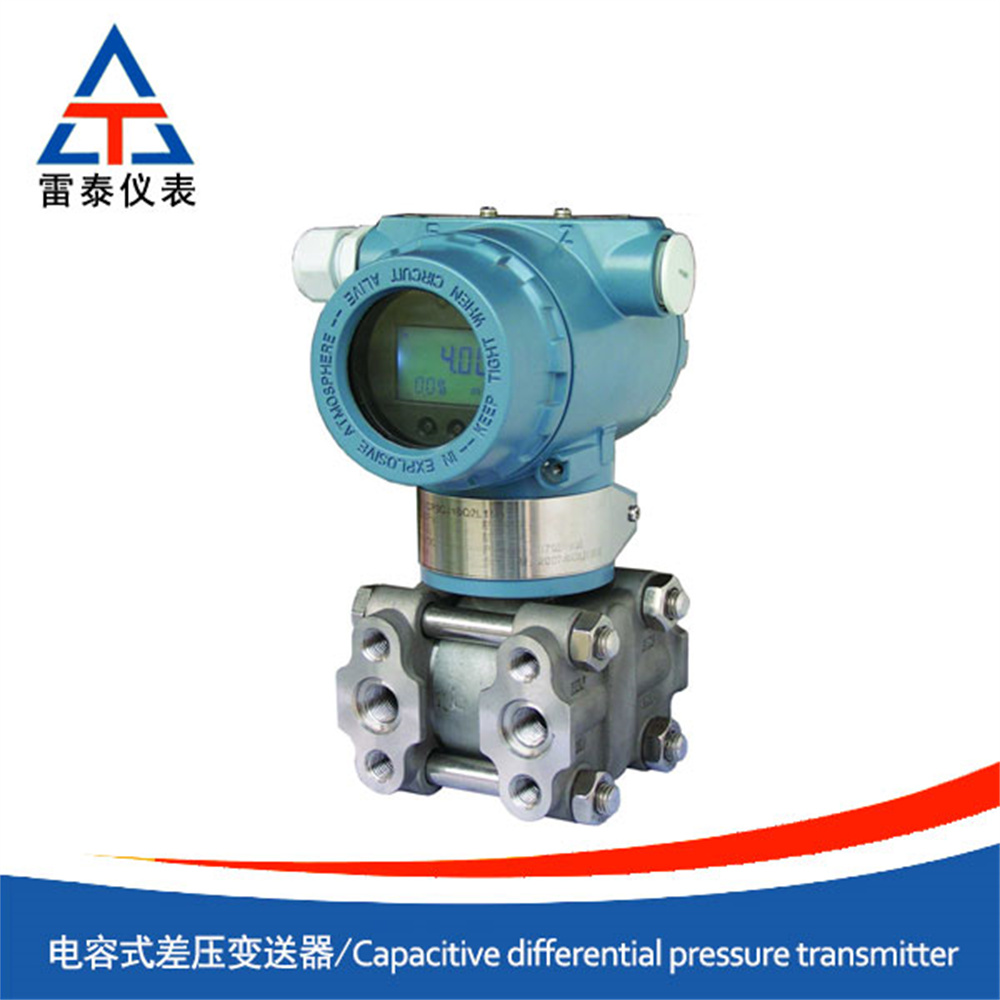
We specialize in producing electromagnetic flowmeter, vortex street flowmeter, turbine flowmeter, thermal gas mass flowmeter, metal tube rotameter, orifice flowlmeter, ultrasonic flowmeter, verabar flowmeter, target type flowmeter, magnetic level indicator, differential pressure transmitter, etc.
